Ancillary services support and enhance primary nursing and therapy interventions, addressing specialized clinical and psychosocial needs. These may include: Nutritional Counseling: Delivered by a registered dietitian to manage weight, diabetes, cardiac, or renal conditions through personalized meal planning. Home Health Aide Support (when adjunct to skilled care): Assists with personal hygiene, mobility, and ADL reinforcement under nurse supervision. Laboratory & Diagnostic Coordination: Ensures timely specimen collection, results review, and physician communication for ongoing clinical management. These services provide a comprehensive continuum of care, reinforcing recovery and quality-of-life outcomes.
Therapy services are delivered by licensed clinicians to help patients regain functional independence, improve mobility, and enhance quality of life following illness, injury, or surgery. Physical Therapy (PT): Focuses on restoring strength, balance, gait, and endurance through individualized exercise programs, pain-management techniques, and home safety evaluations to reduce fall risk. Occupational Therapy (OT): Helps patients relearn or adapt activities of daily living (ADLs) such as dressing, grooming, and meal preparation; provides adaptive equipment training to promote self-sufficiency. Speech-Language Pathology (SLP): Addresses communication, cognition, and swallowing disorders through targeted interventions and caregiver training. Therapists collaborate with nursing and medical teams to ensure functional progress aligns with the overall care plan.
Wound care specialists and skilled nurses provide evidence-based treatment for acute, chronic, surgical, pressure, or diabetic wounds. Services include wound assessment, debridement coordination, dressing selection and application, infection prevention, and patient education on home wound maintenance. The goal is to accelerate healing, minimize complications, and prevent hospital readmissions through meticulous wound monitoring and interdisciplinary collaboration with physicians and specialists.
Registered Nurses (RNs) and Licensed Practical Nurses (LPNs) deliver skilled nursing care under the direction of a physician’s plan of care. Services include comprehensive patient assessments, clinical monitoring, medication administration, wound and ostomy care, disease management education, and coordination of multidisciplinary interventions. RNs develop individualized care plans, perform skilled interventions, and educate patients and caregivers on managing chronic or post-acute conditions such as diabetes, heart failure, COPD, hypertension, and post-surgical recovery. LPNs provide ongoing treatment support, monitor vital signs and treatment responses, and promptly report changes in condition to the supervising RN or physician. The goal is to restore, maintain, or prevent deterioration in health status, ensuring continuity of care within the home environment.

Medication management ensures safe, effective, and compliant use of prescribed drugs. Skilled nurses conduct medication reconciliation, evaluate for potential interactions, educate patients on dosage schedules and side effects, and monitor adherence. This service is especially critical for patients with multiple comorbidities, high-risk medications (e.g., anticoagulants, insulin), or cognitive impairments. The objective is to reduce adverse drug events, improve therapeutic outcomes, and promote patient safety in the home setting.
Medical Social Workers (MSWs) provide psychosocial support and resource coordination for patients and families facing illness-related, financial, or emotional challenges. Services include counseling, crisis intervention, assistance with Medicaid or insurance paperwork, connection to community resources, and long-term care planning. MSWs play a vital role in helping patients navigate complex care transitions and ensuring that social, financial, and emotional factors do not impede clinical recovery or home stability.
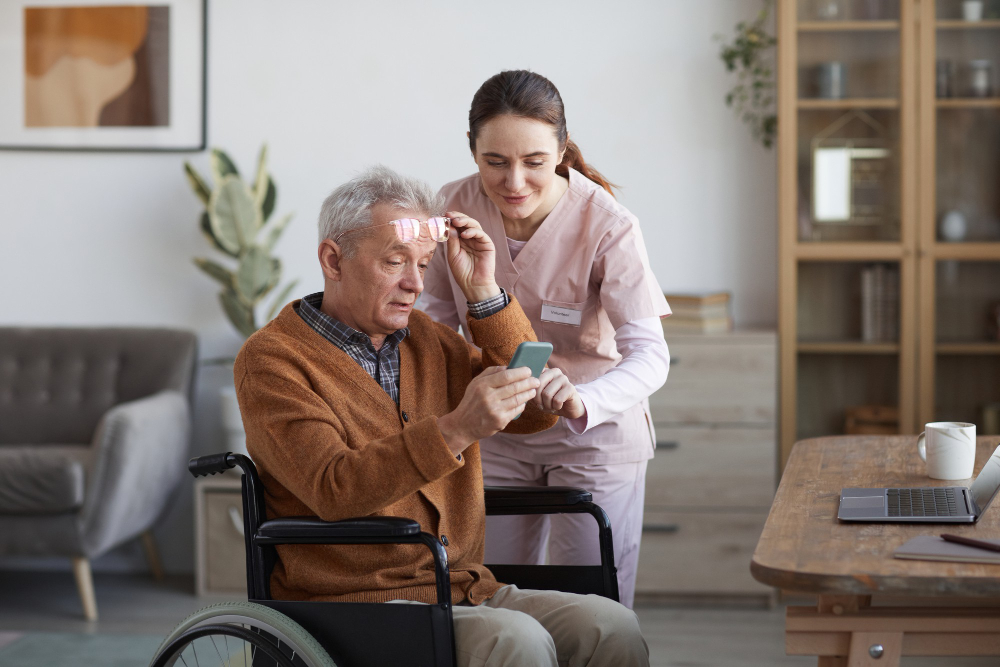
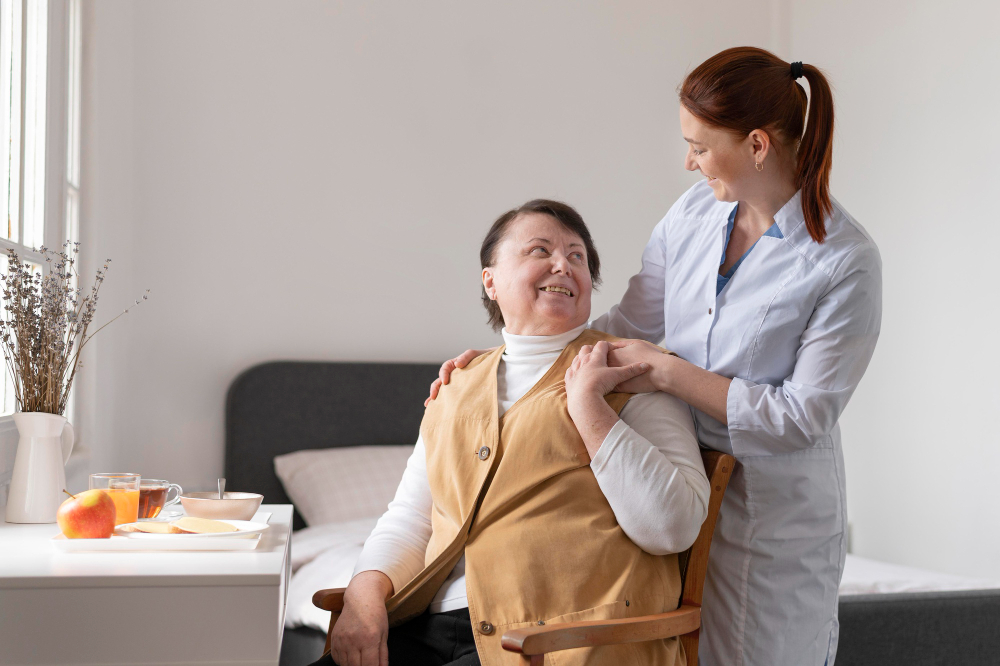
Personal Care services provide hands-on assistance to help clients maintain dignity, independence, and safety while performing essential daily routines. Trained and credentialed Personal Care Aides assist with activities of daily living (ADLs) such as bathing, grooming, dressing, toileting, ambulation, and feeding. They also offer support with transfers and positioning to prevent falls or pressure injuries, ensuring comfort and mobility throughout the day. Personal Care Aides work under the supervision of a nurse and in accordance with an individualized service plan designed to meet each client’s functional needs. The focus is to promote self-sufficiency while reducing risk of injury, decline, or institutionalization — allowing clients to live safely and comfortably at home.
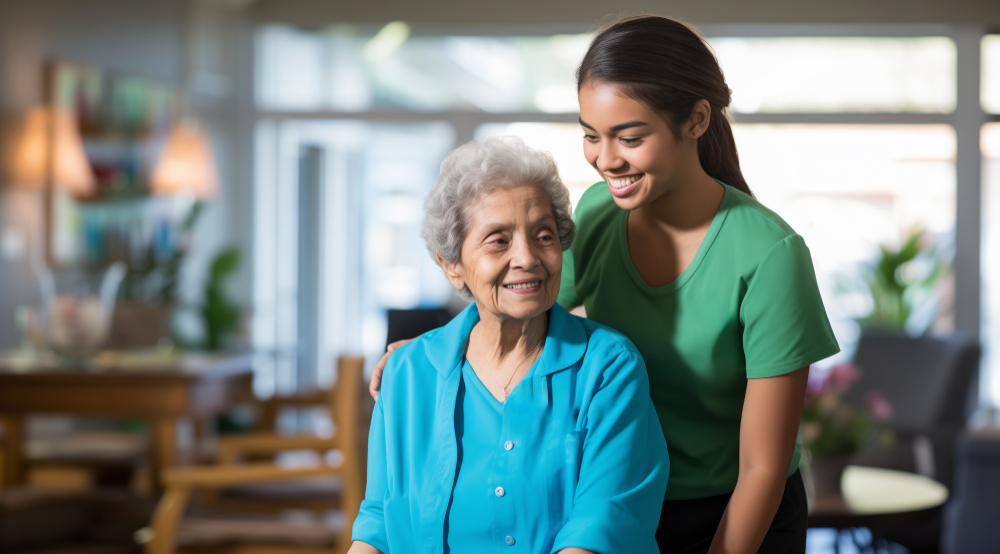
Homemaker and Companion services provide essential non-medical assistance that helps clients maintain a clean, safe, and emotionally supportive home environment. Homemaker services include light housekeeping, laundry, meal preparation, grocery shopping, and organization of living spaces. Companion care focuses on social engagement, conversation, recreational activities, and accompaniment to appointments or community outings to combat isolation and depression. These services improve overall quality of life and reduce caregiver burden, ensuring that clients remain connected, comfortable, and supported within their home and community.
Escort and Errand Assistance services provide reliable support for clients who need help with essential tasks outside the home. Trained aides accompany clients to medical appointments, pharmacy visits, grocery stores, religious services, or community activities. The caregiver assists with mobility, safety, and communication with healthcare professionals as needed. Errand support may also include prescription pick-ups, mail handling, or other routine activities that enable independent living. This service enhances access to care, promotes social participation, and ensures clients remain safely engaged with their community.
Respite Care offers temporary, short-term relief for primary family caregivers who need rest, travel, or personal time. A trained caregiver steps in to provide continuity of care — including personal assistance, companionship, meal preparation, medication reminders, and supervision — ensuring the client’s well-being while the primary caregiver is away. This service is particularly beneficial for families caring for individuals with chronic illnesses, disabilities, or cognitive conditions such as dementia. Respite Care supports family caregivers by preventing burnout and helping sustain long-term home-based care arrangements.
Personal Care services provide hands-on assistance to help clients maintain dignity, independence, and safety while performing essential daily routines. Trained and credentialed Personal Care Aides assist with activities of daily living (ADLs) such as bathing, grooming, dressing, toileting, ambulation, and feeding. They also offer support with transfers and positioning to prevent falls or pressure injuries, ensuring comfort and mobility throughout the day. Personal Care Aides work under the supervision of a nurse and in accordance with an individualized service plan designed to meet each client’s functional needs. The focus is to promote self-sufficiency while reducing risk of injury, decline, or institutionalization — allowing clients to live safely and comfortably at home.
Homemaker and Companion services provide essential non-medical assistance that helps clients maintain a clean, safe, and emotionally supportive home environment. Homemaker services include light housekeeping, laundry, meal preparation, grocery shopping, and organization of living spaces. Companion care focuses on social engagement, conversation, recreational activities, and accompaniment to appointments or community outings to combat isolation and depression. These services improve overall quality of life and reduce caregiver burden, ensuring that clients remain connected, comfortable, and supported within their home and community.
Respite Care Description: Respite Care offers temporary, short-term relief for primary family caregivers who need rest, travel, or personal time. A trained caregiver steps in to provide continuity of care — including personal assistance, companionship, meal preparation, medication reminders, and supervision — ensuring the client’s well-being while the primary caregiver is away. This service is particularly beneficial for families caring for individuals with chronic illnesses, disabilities, or cognitive conditions such as dementia. Respite Care supports family caregivers by preventing burnout and helping sustain long-term home-based care arrangements.
Respite Care offers temporary, short-term relief for primary family caregivers who need rest, travel, or personal time. A trained caregiver steps in to provide continuity of care — including personal assistance, companionship, meal preparation, medication reminders, and supervision — ensuring the client’s well-being while the primary caregiver is away. This service is particularly beneficial for families caring for individuals with chronic illnesses, disabilities, or cognitive conditions such as dementia. Respite Care supports family caregivers by preventing burnout and helping sustain long-term home-based care arrangements.